Native Habitat Restoration & Mitigation
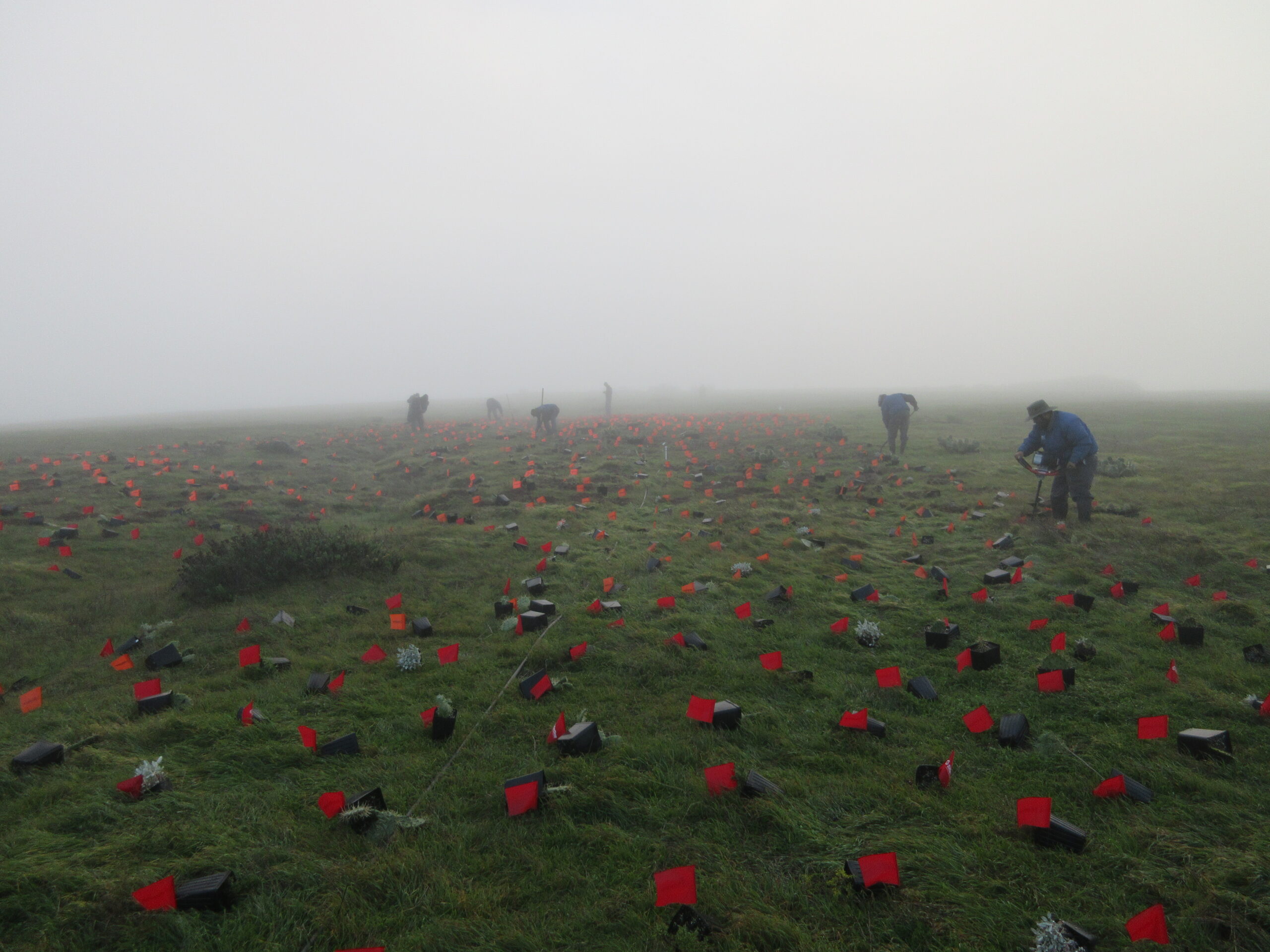
Island Night Lizard Habitat Development
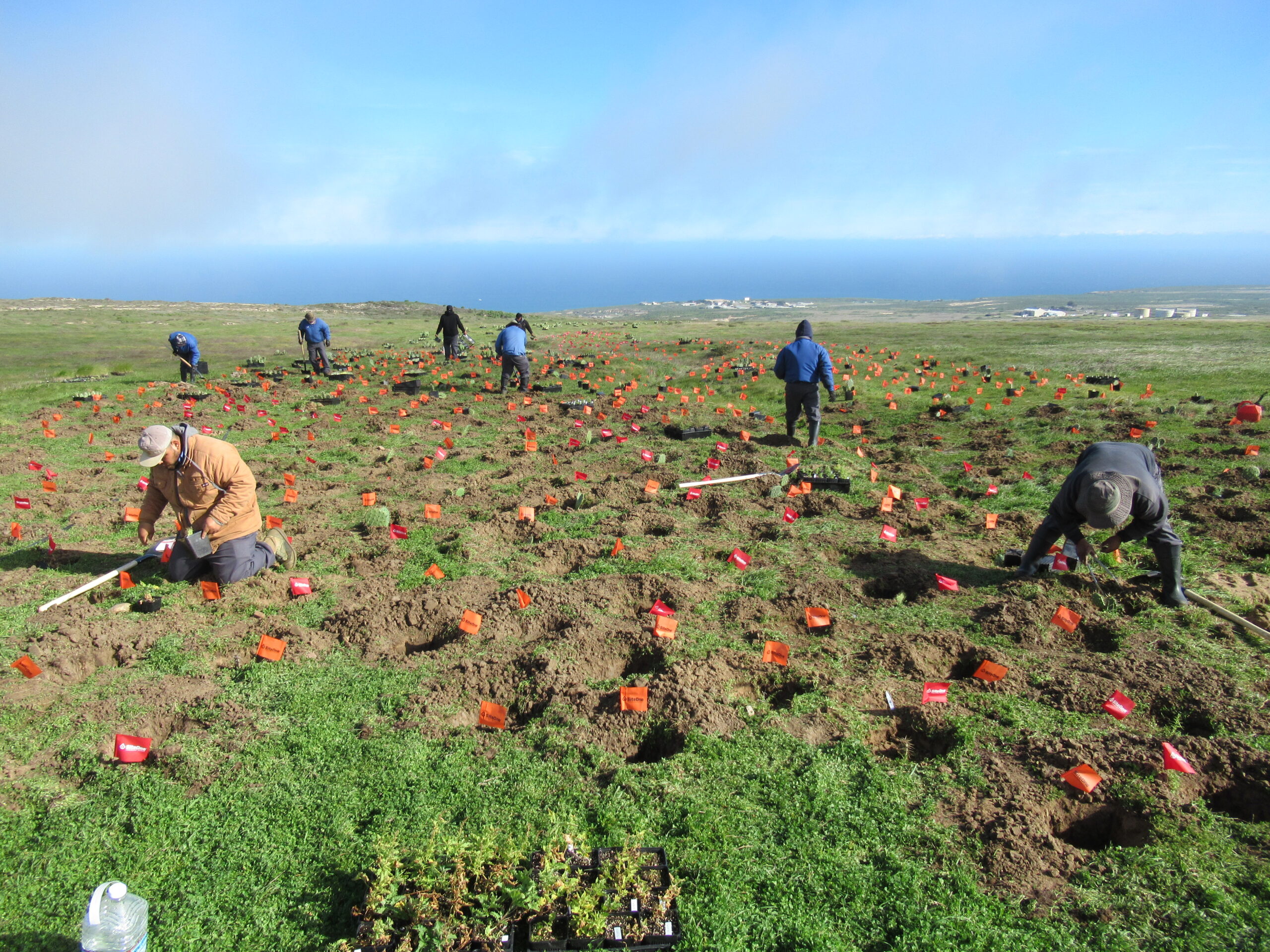
ACS Habitat Management has been responsible for developing multiple successful habitat restoration sites on San Nicolas Island. This project’s main goal was to convert an invasive non-native plant infested area into healthy habitat supporting the island night lizard. Not only did the project successfully develop night lizard habitat, but it also introduced native plant species designed to out-compete invasive non-native species. The project was implemented in the fall and was managed for multiple years.
Project Details
CLIENT
NAVFAC SW (Naval Facilities Engineering Systems Command Southwest)- San Nicolas Island
PROJECT TYPE
Native Habitat Restoration & Mitigation
Project Details
CLIENT
NAVFAC SW (Naval Facilities Engineering Systems Command Southwest)- Marine Corps Air Station Miramar
PROJECT TYPE
Native Habitat Restoration & Mitigation
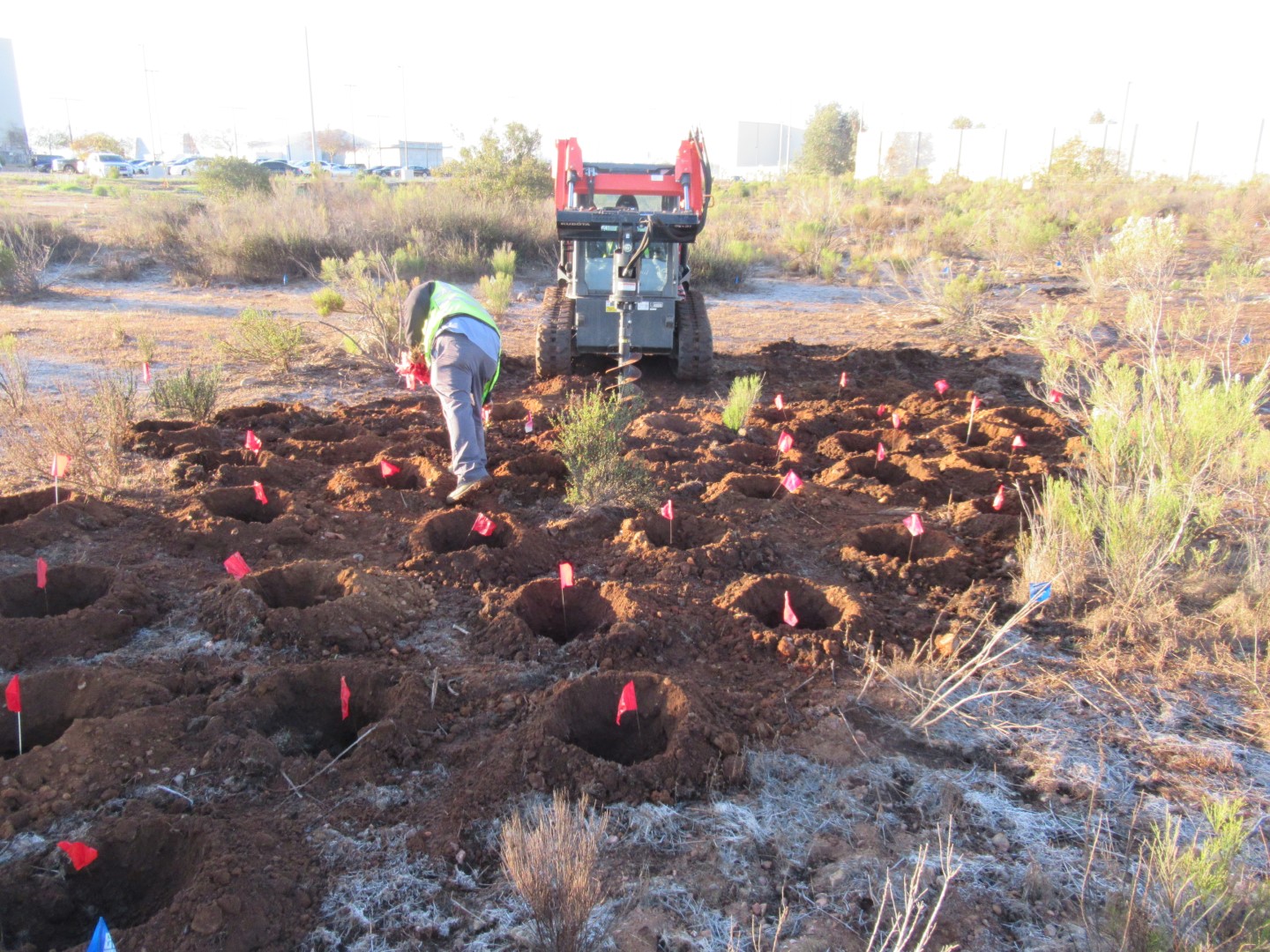
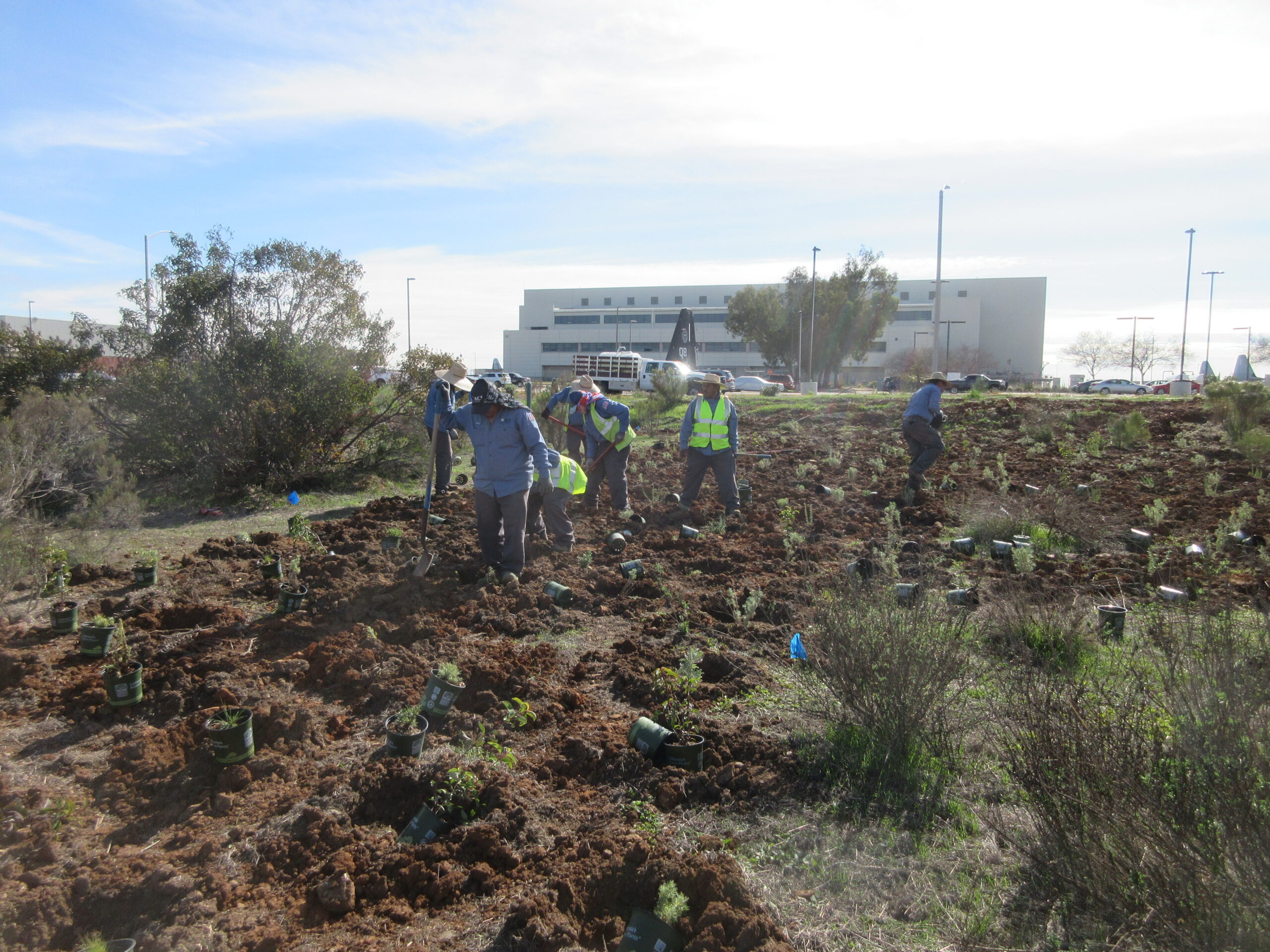
California Gnatcatcher Habitat Development
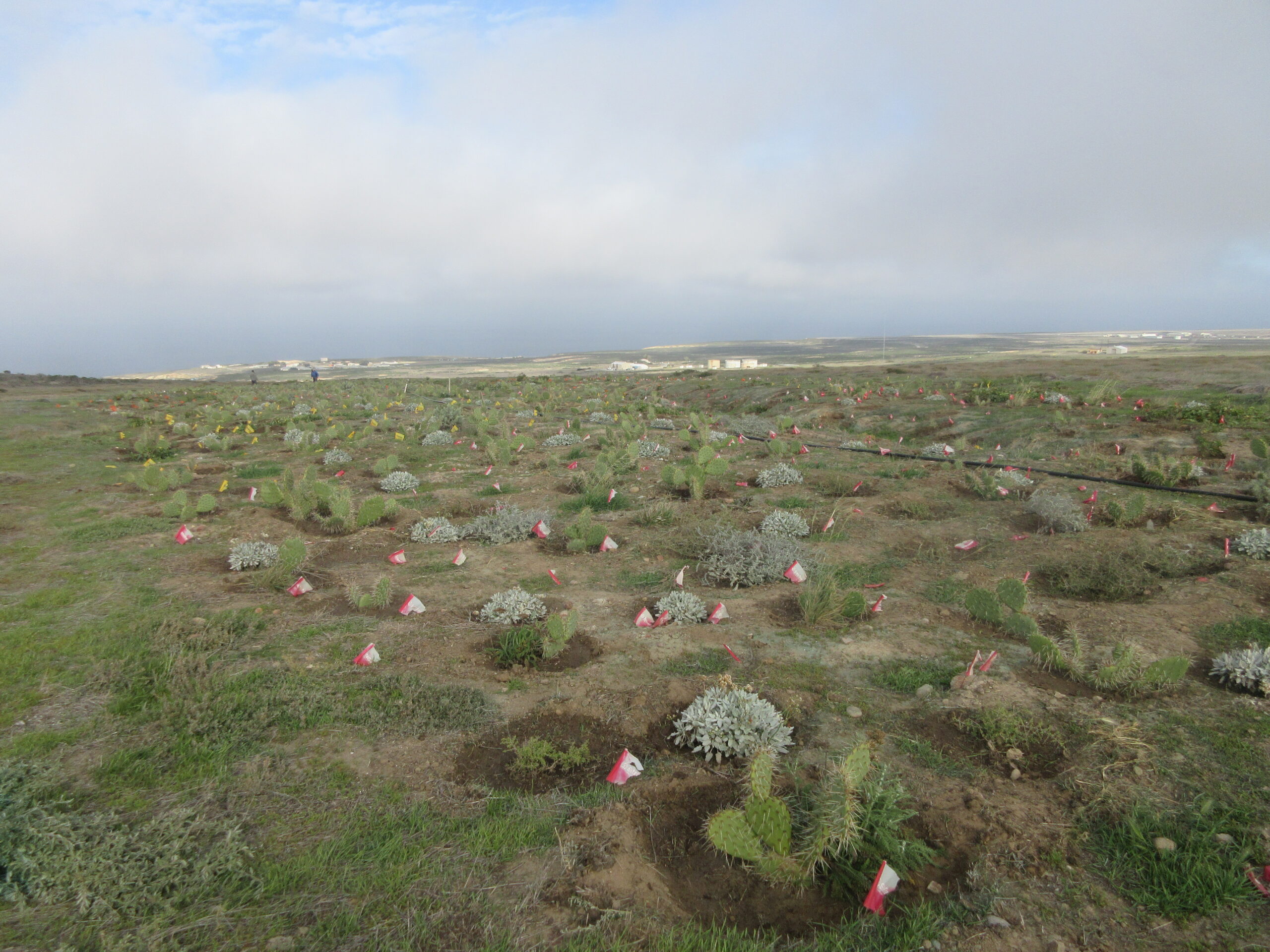
After the development of a new hangar system for F-35 fighter jets, ACS Habitat Management helped Marine Corps Air Station Miramar off set habitat impacts by developing, enhancing, and restoring nearby native California gnatcatcher habitat.
Smith’s Blue Butterfly Habitat Restoration
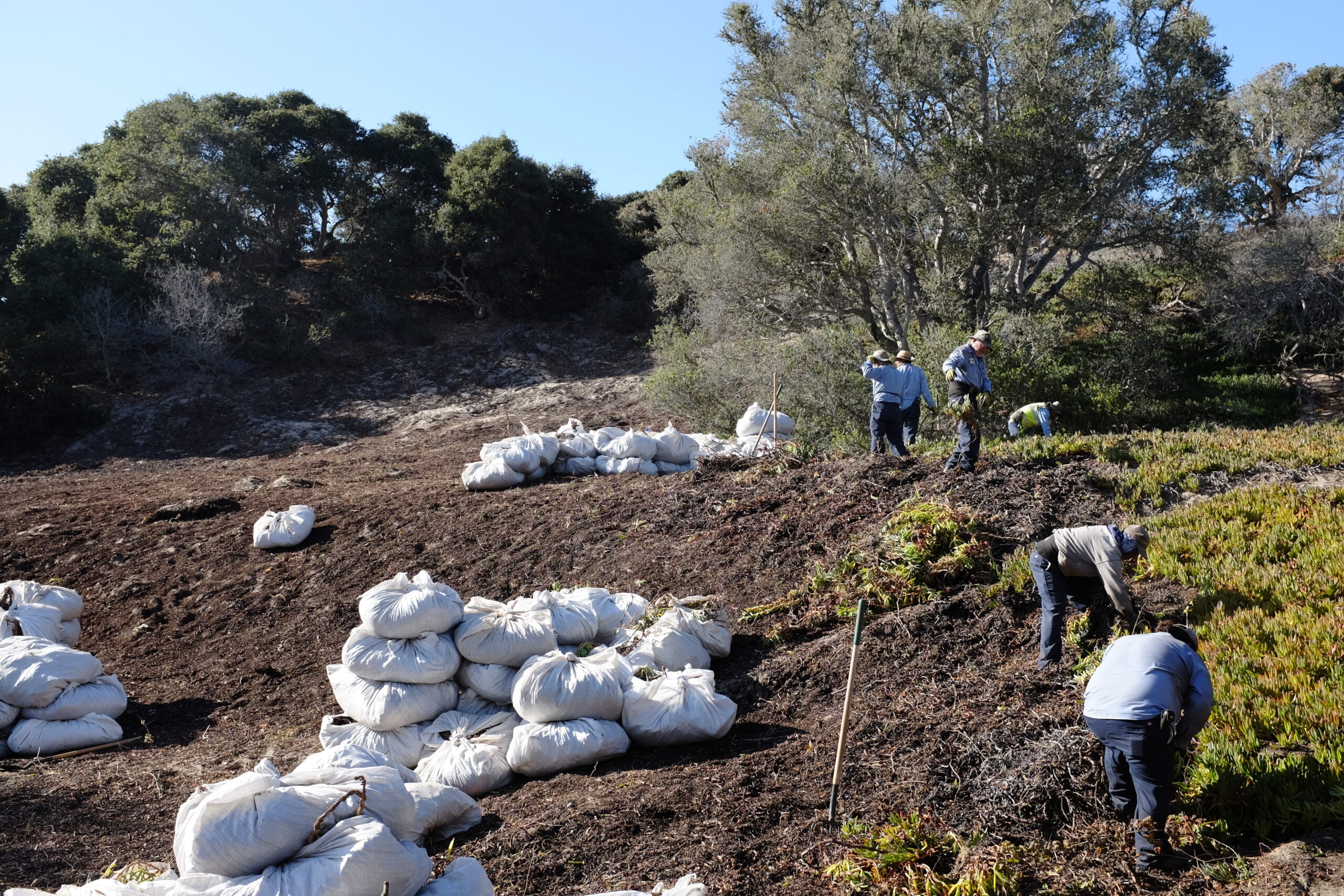
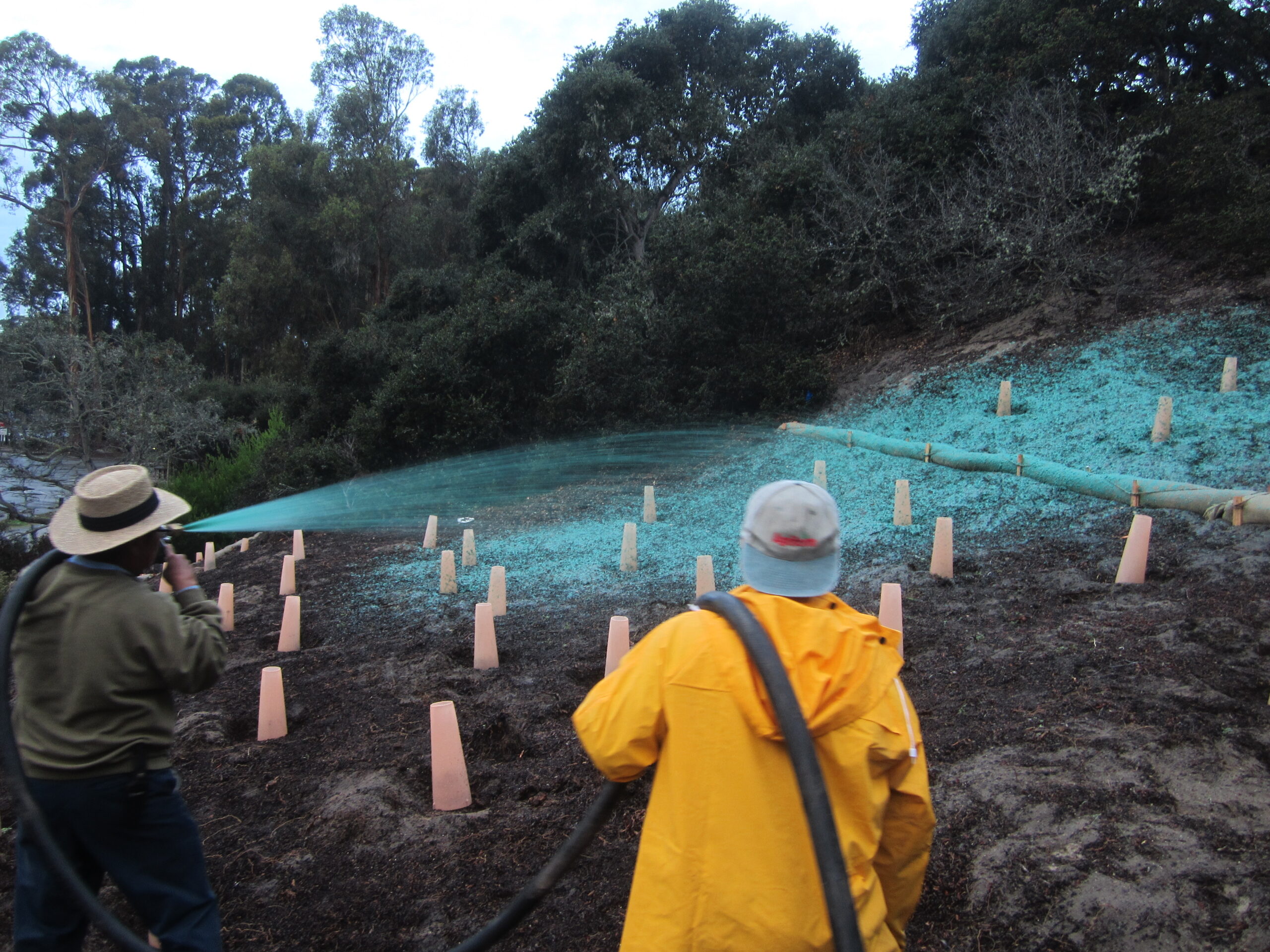
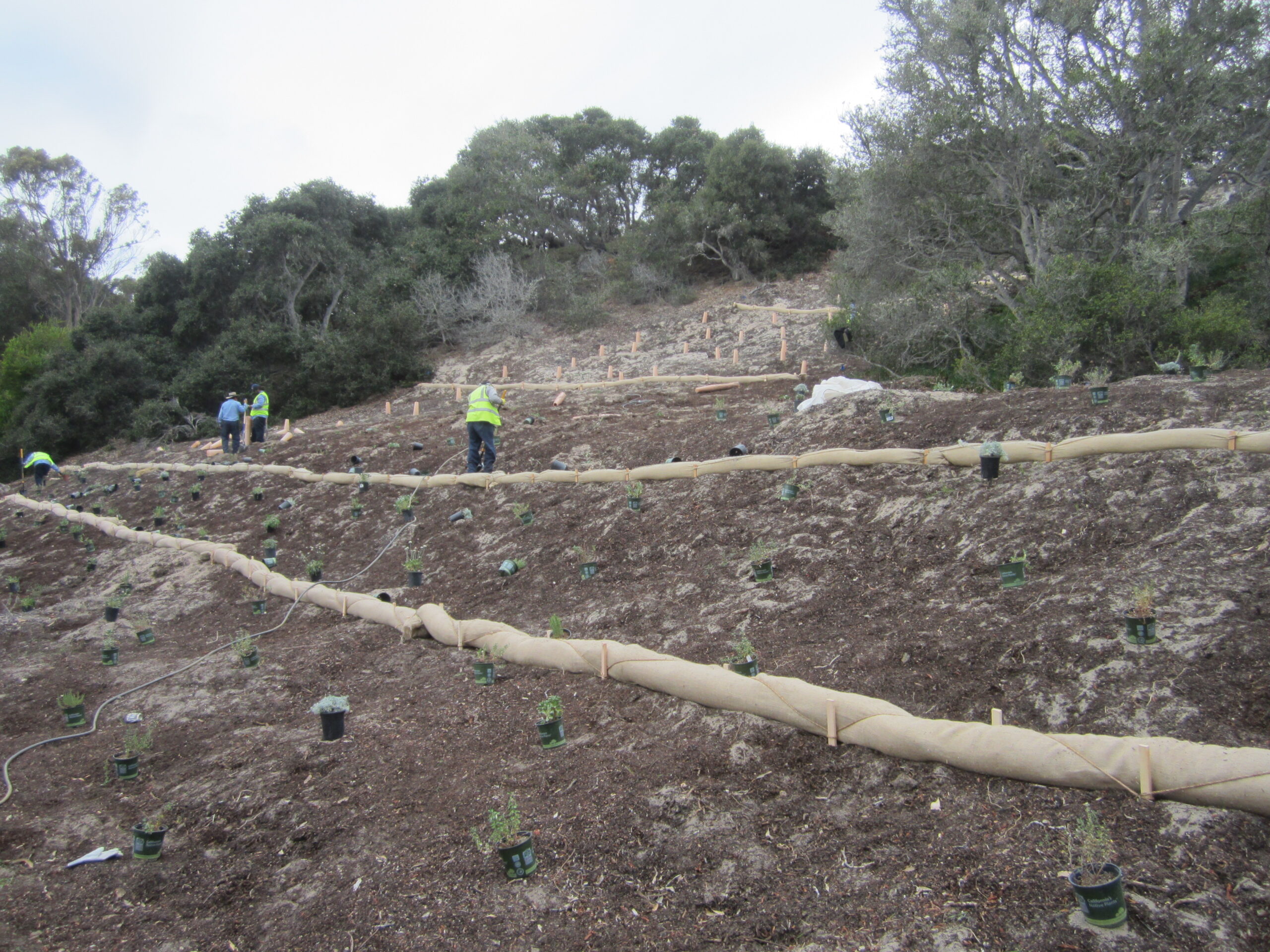
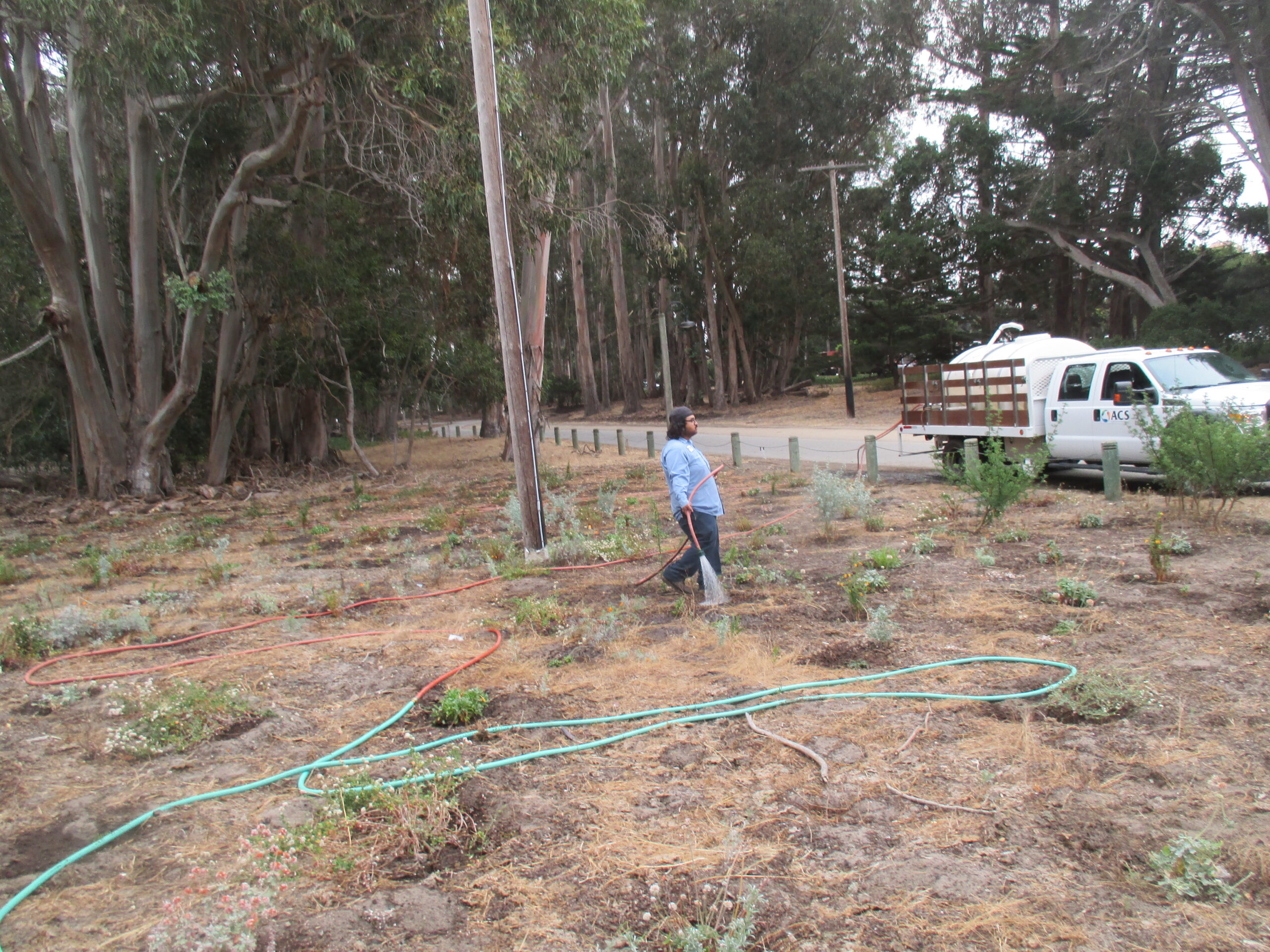
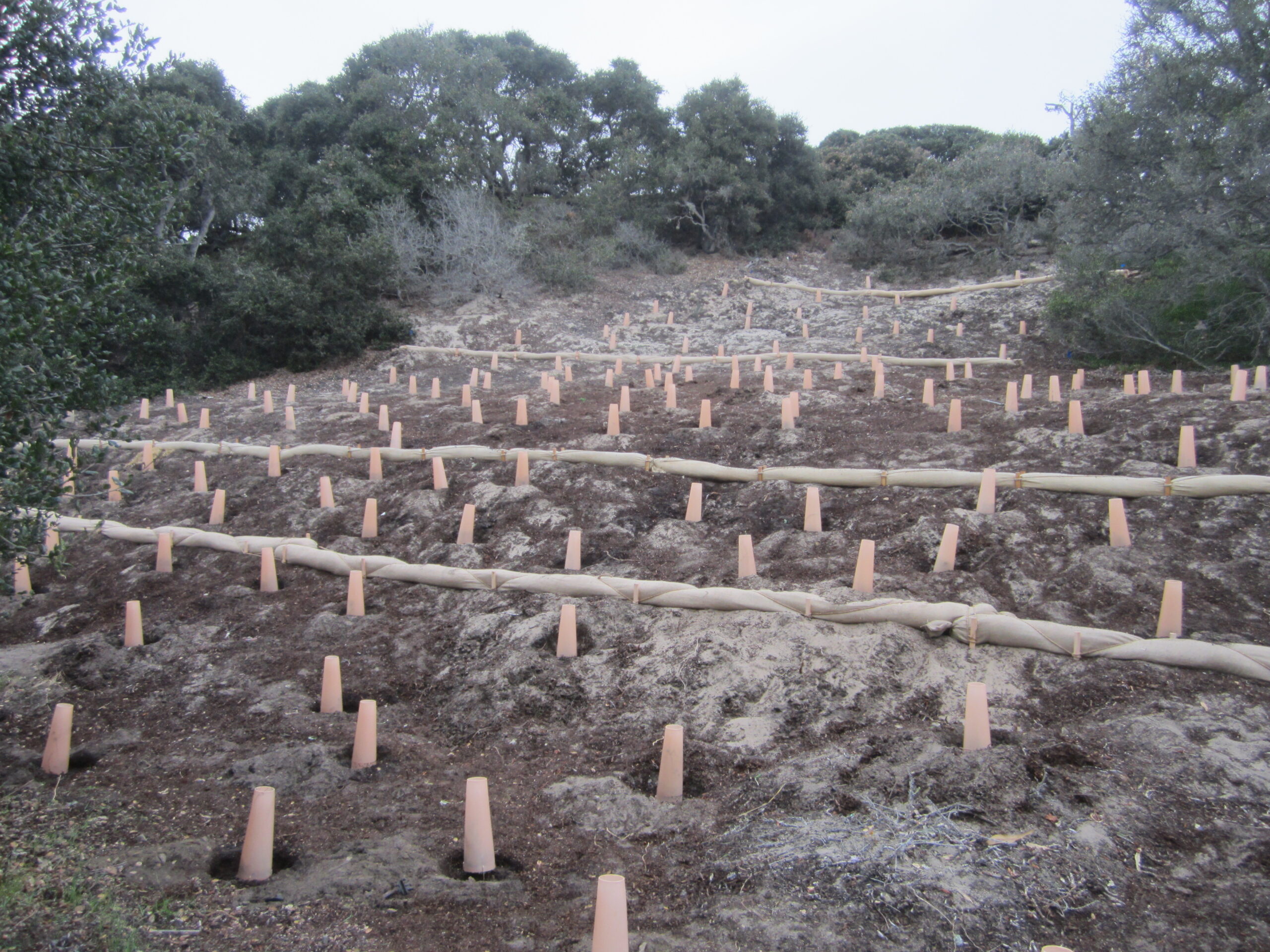
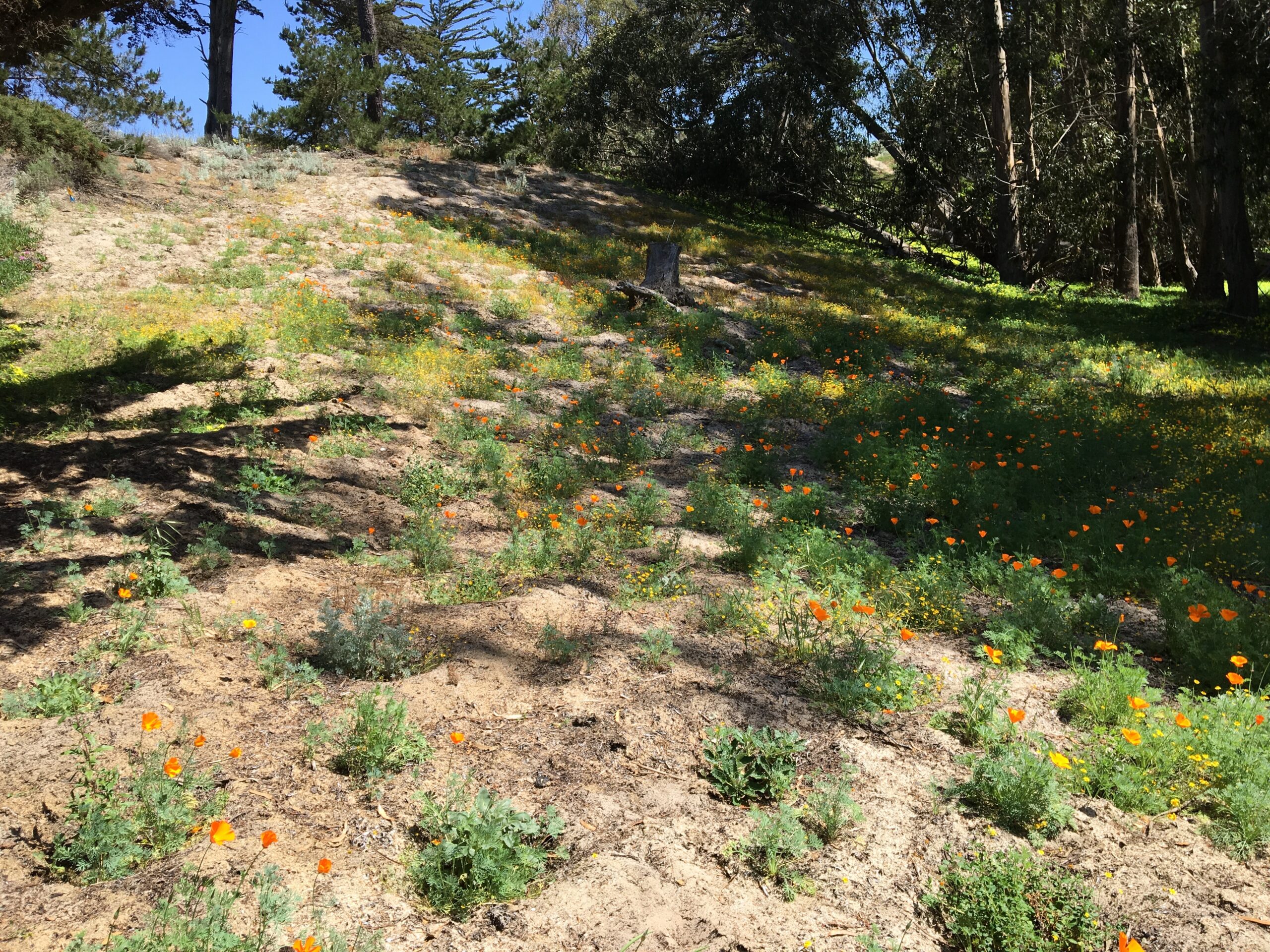
ACS performed multiple habitat restoration and development projects at Naval Support Activity (NSA) Monterey. Two primary goals were defined: prevent erosion and develop a habitat suitable for the Smith’s blue butterfly. To support the likelihood of Smith’s blue butterfly populations at the site, ACS was tasked to remove non-native plants and establish native plant habitats that would benefit the butterfly. This work took place on the back dunes of Monterey Bay. ACS crews pulled nearly 200 cubic yards of non-native Carpobrotus edulis and chilensis. Once the back dunes were cleared of the invasive species, crew members installed hundreds of native container plants. These were installed and a basin was created around each plant to help focus more water from precipitation and irrigation events to the plant. Plant protectors were installed to protect the container plants from herbivory. Finally, crew members applied hydro-mulch with a healthy palette of native annual seed mixed in. This seed was critical for protecting the slope of the dunes (which had been previously supported by the Carpobrotus populations) and in working to outcompete non-native germination of other annuals that would normally capitalize on the recent disturbance of Carpobrotus removal.
The site was incredibly successful and has been a demonstration for how dune conversions can occur by eliminating non-native species and replacing them with desirable native habitat. This site was near a public walkway and offered the client the opportunity to showcase the benefits of native plant restoration to the public.
Project Details
CLIENT
NAVFAC SW (Naval Facilities Engineering Systems Command Southwest)- Naval Support Activity Monterey
PROJECT TYPE
Native Habitat Restoration & Mitigation